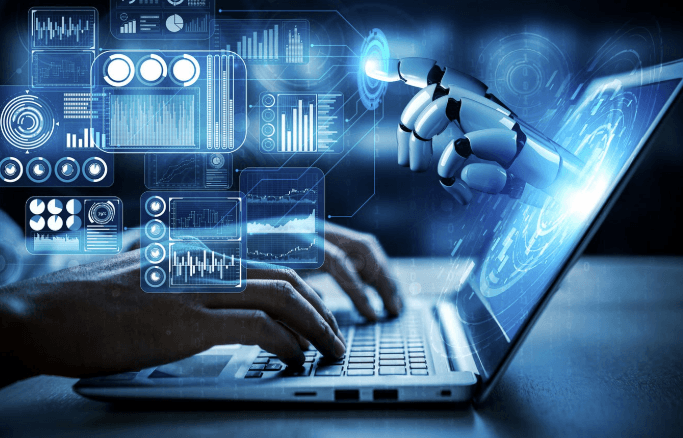
Artificial intelligence in education personalizes content and pacing, provides timely feedback, and can scale adaptive tutoring across diverse abilities. It supports teachers by streamlining administrative tasks and analyzing student work to reveal gaps. Data-driven assessments help gauge progress and guide instruction. Implementations depend on data governance, transparency, and strong ethical safeguards to protect privacy. Ongoing evaluation, trust from stakeholders, and independent auditing balance innovation with rights and accountability, shaping what comes next in classrooms.
What AI Does for Classroom Learning
AI in the classroom enhances learning by personalizing instruction, providing timely feedback, and streamlining administrative tasks for educators.
AI analyzes student work to identify gaps and adapt tasks, supporting adaptive tutoring that scales across diverse abilities.
It can monitor progress and adjust pacing, while safeguarding data privacy to protect student information and maintain trust in the learning environment.
How AI Personalizes Student Pathways
Personalization in AI-powered education builds on the classroom analytics described previously by translating individual data into tailored learning paths. AI systems implement adaptive tutoring, adjusting difficulty and pacing based on demonstrated mastery, pace, and preferences. This approach enhances autonomy while preserving data privacy, ensuring transparent data handling. Practitioners evaluate effectiveness through measurable outcomes, ongoing monitoring, and alignment with curricular goals and student rights.
AI in Assessment, Feedback, and Support
AI-powered assessment, feedback, and support use data-driven methods to measure learning progress, identify gaps, and provide timely guidance. In practice, AI augments human judgment with scalable evaluation, adaptive prompts, and formative insights.
However, implementation requires careful attention to assessment ethics and data governance, ensuring transparency, accountability, and safeguards that support learner autonomy while preserving rigorous standards and professional integrity.
Ensuring Equity, Privacy, and Responsible AI in Schools
The discussion emphasizes data privacy, robust governance, transparent algorithms, and ongoing evaluation to detect algorithm bias.
Implementers should prioritize stakeholder trust, independent auditing, and practical safeguards that balance innovation with rights and accountability.
Frequently Asked Questions
How Does AI Affect Teacher Workload and Job Satisfaction?
AI workload can increase efficiency but risks teacher burnout if poorly implemented; methodology viability hinges on meaningful classroom integration, robust support, and clear impact metrics, enabling educators to reclaim time for core instruction while maintaining professional autonomy.
see also: How Crypto Payments Are Changing E-Commerce
Can AI Predict Long-Term Student Success Beyond Grades?
AI can inform predictions of long-term success but cannot guarantee outcomes; predictive analytics suggest patterns, while longitudinal outcomes require robust data and careful interpretation to avoid misattribution or bias.
What Are Costs and Return on Investment for AI in Schools?
Costs and return on investment for AI in schools show a cost-benefit balance, yet implementation challenges—data governance, professional development, and infrastructure—shape outcomes; districts must weigh upfront expenses against long-term gains, efficiency, and evidence-based improvements for learning environments.
How Is Student Data Securely Stored and Who Can Access It?
Student data is stored with data encryption and strict access controls, limiting who can view it. Access is granted based on need-to-know roles, regular audits occur, and providers substantiate security measures, ensuring transparency and ongoing risk mitigation for stakeholders.
What Standards Govern AI Transparency and Accountability in Education?
The standards require robust data governance and explicit algorithm transparency, addressing accountability through audits and explanations. Critics may doubt safeguards; nonetheless, credible frameworks exist. They emphasize transparent data practices, auditable models, and ongoing oversight for responsible AI in education.
Conclusion
Artificial intelligence in education acts like a patient lighthouse, guiding diverse learners through shifting currents of content and pacing. It illuminates gaps with precise, actionable data and then quietly reallocates support, so no student stalls. With transparent governance and safeguards, it respects privacy while expanding access. The result is a practical, evidence-based classroom where teachers partner with AI to tailor instruction, monitor progress, and sustain equitable outcomes, building trust and resilience in both students and schools.
